
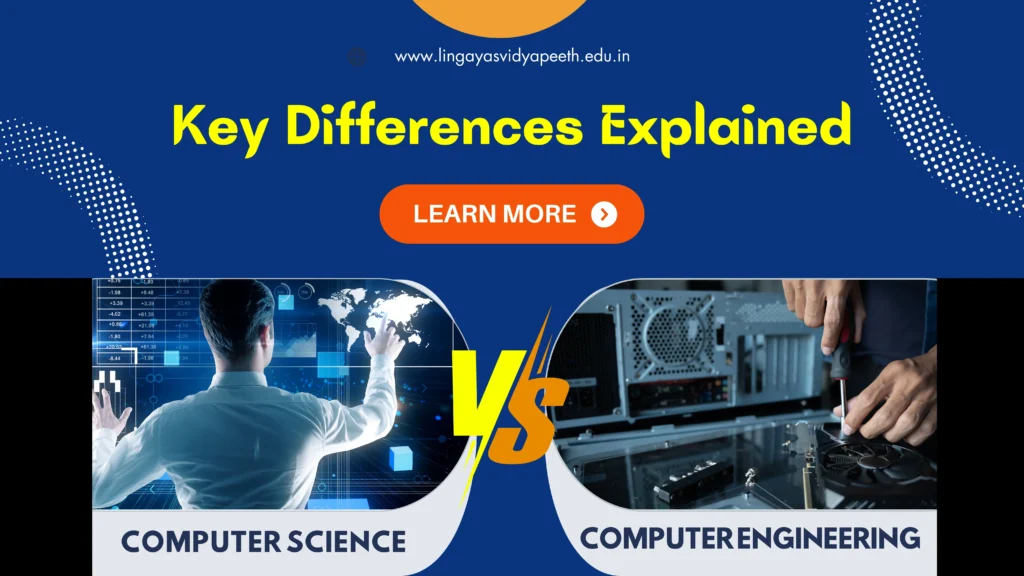
Choosing between Computer Science (CS) and Computer Engineering (CE) is one of the most important decisions for students interested in technology. Although these fields share many similarities, they focus on different aspects of computing.
Computer Science emphasizes software development, algorithms, and data, while Computer Engineering combines computer science with electrical engineering to design and develop computer hardware and embedded systems. Understanding the differences can help students choose the path that best matches their interests and career goals.
What is Computer Science?
Computer Science is the study of computers, software systems, algorithms, programming languages, artificial intelligence, databases, cybersecurity, and data structures. It focuses on solving computational problems and developing software applications that improve the way people interact with technology.
Students pursuing Computer Science learn how to design efficient algorithms, write software, analyze data, develop web and mobile applications, and create intelligent systems using machine learning and artificial intelligence. The curriculum emphasizes logical thinking, programming skills, and software engineering principles.
Core Subjects in Computer Science
- Programming Languages (Java, Python, C++, JavaScript)
- Data Structures and Algorithms
- Database Management Systems
- Operating Systems
- Computer Networks
- Artificial Intelligence
- Machine Learning
- Cloud Computing
- Cybersecurity
- Software Engineering
What is Computer Engineering?
Computer Engineering combines computer science with electrical and electronic engineering. It focuses on designing, building, testing, and improving computer hardware and embedded systems while also understanding the software that controls these devices.
Computer Engineering students study how processors, memory, microcontrollers, sensors, and communication systems work together. They often work on hardware-software integration, robotics, Internet of Things (IoT), and embedded systems.
Core Subjects in Computer Engineering
- Digital Electronics
- Microprocessors and Microcontrollers
- Computer Architecture
- Embedded Systems
- VLSI Design
- Robotics
- Internet of Things (IoT)
- Signal Processing
- Communication Systems
- Hardware Design
Skills Required
Computer Science
Students should develop:
- Programming skills
- Logical and analytical thinking
- Problem-solving ability
- Database management
- Software development
- Artificial Intelligence and Machine Learning fundamentals • Cybersecurity awareness
Computer Engineering
Students benefit from strong skills in:
- Electronics and digital circuits
- Embedded programming
- Hardware troubleshooting
- PCB and circuit design
- Microcontroller programming
- Robotics
- Hardware-software integration
Career Opportunities
Computer Science Careers
Computer Science graduates have opportunities in software development, data analysis, cloud computing, cybersecurity, and artificial intelligence.
Common job roles include:
- Software Engineer
- Full-Stack Developer
- Web Developer
- Mobile App Developer
- Data Scientist
- AI/ML Engineer
- Cloud Engineer
- Cybersecurity Analyst
- DevOps Engineer
- Database Administrator
Computer Engineering Careers
Computer Engineering graduates often work with hardware design, embedded systems, automation, and telecommunications.
Common job roles include:
- Embedded Systems Engineer
- Hardware Engineer
- Robotics Engineer
- FPGA Engineer
- VLSI Design Engineer
- IoT Developer
- Firmware Engineer
- Network Hardware Engineer
- Systems Engineer
- Automation Engineer
Industries Hiring Graduates
Both Computer Science and Computer Engineering graduates are employed across a wide range of industries. Computer Science
- Software Companies
- IT Services
- Banking and Finance
- Healthcare Technology
- E-commerce
- Artificial Intelligence
- Cloud Computing
- Gaming
- Cybersecurity
Computer Engineering
- Semiconductor Industry
- Consumer Electronics
- Automotive
- Aerospace
- Telecommunications
- Industrial Automation
- Robotics
- Internet of Things (IoT)
- Medical Devices
Which Degree Should You Choose?
The right choice depends on your interests and long-term goals.
Choose Computer Science if you enjoy:
- Programming and software development
- Artificial Intelligence and Machine Learning
- Data Science and Analytics
- Web and mobile application development
- Cloud computing and cybersecurity
Choose Computer Engineering if you enjoy:
- Electronics and digital systems
- Designing computer hardware
- Robotics and automation
- Embedded systems and IoT
Working closely with both hardware and software
Can Computer Engineers Become Software Developers?
Yes. Computer Engineering graduates learn programming alongside hardware concepts, enabling many to pursue careers in software development, embedded programming, or full-stack development. Likewise, Computer Science graduates can transition into hardware-related fields by acquiring additional knowledge in electronics and embedded systems, although they may require more specialized training.
Future Scope
Both disciplines offer excellent career prospects as technology continues to evolve.
Computer Science is expected to see strong demand in:
- Artificial Intelligence
- Machine Learning
- Data Science
- Cybersecurity
- Cloud Computing
- Quantum Computing
Computer Engineering is likely to remain in high demand in:
- Robotics
- Semiconductor Manufacturing
- Embedded Systems
- Autonomous Vehicles
- Internet of Things (IoT)
- Edge Computing
Final Thoughts
Computer Science and Computer Engineering are both rewarding and future-focused disciplines, but they cater to different interests. If you are passionate about creating software, solving computational problems, and developing intelligent applications, Computer Science is an excellent choice. If you enjoy working with electronics, processors, embedded systems, and integrating hardware with software, Computer Engineering may be the better fit.
Ultimately, success in either field depends not only on your degree but also on continuous learning, practical projects, internships, certifications, and keeping pace with emerging technologies. With dedication and the right skill set, graduates from both disciplines can build successful and impactful careers in the ever-evolving world of technology.
Also Read
Computer science courses after 12th
Top Fields in Computer Science
High Salary Courses After 12th Science
Law courses after 12th
Psychology courses after 12th
From
Kunal Malik
Department of CSE
Lingayas Vidyapeeth