
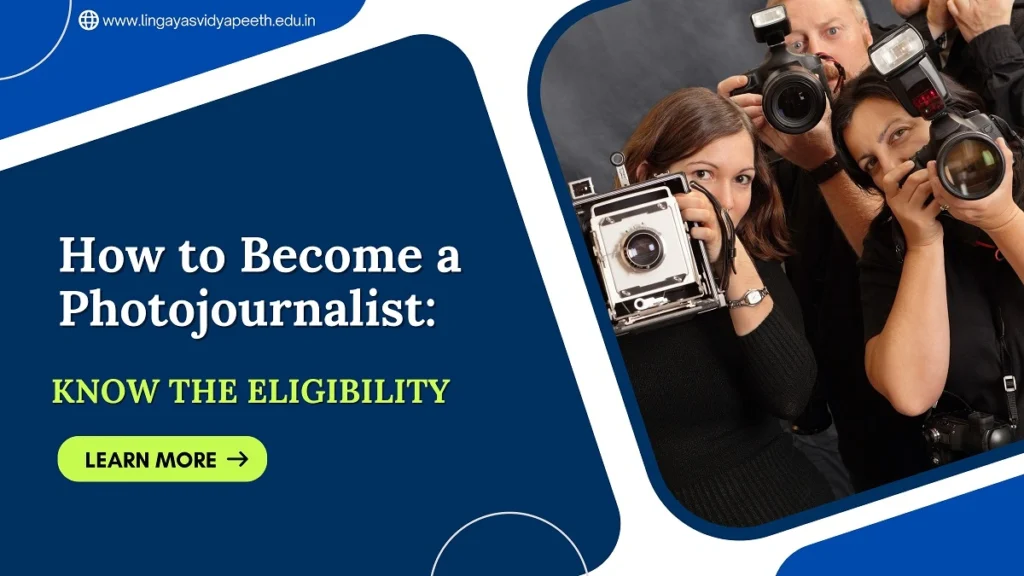
How to become a Photojournalist could be your dream career. This guide gives simple steps and tips for success. Photography is booming—the global photographic services market reached about $38 billion in 2025 and is projected to grow steadily in the coming years. In India, photojournalists share powerful news stories that matter.
Excited? Let’s dive in!
Understanding the Photojournalist Career Path
Photojournalists capture real events with cameras. They share strong stories through pictures that often say more than words. How to become a Photojournalist begins with true passion for honest stories and visual telling. This passion pushes you forward each day.
Build curiosity about people, places, and current issues. Read the news every day. Watch documentaries. Follow world events to find good story ideas. Travel often, from local protests in a village to big festivals in cities. This lets you catch real moments as they happen.
Ethics are at the heart of the job. Always show the truth fairly. Respect privacy. Never stage scenes to twist facts. Safety is very important too. In dangerous spots like wars or disasters, learn basic risk skills to stay safe.
Start networking early. Join school photo clubs. Go to local media events. Connect online with pros for tips and chances. Shoot photos daily to sharpen your eye and timing. Follow top photojournalists on Instagram or X. Learn their methods and paths.
This photojournalist career path usually starts small with local jobs. It grows into bigger roles at newspapers, magazines, or online news sites. The work needs effort, patience, and strength. But the reward is great—your images can spread awareness, start talks, and sometimes create real change. Many begin as interns or freelancers before full-time jobs.
Eligibility Requirements for Aspiring Photojournalists
To start your journey on How to become a Photojournalist, you need basic school qualifications. Most courses require you to finish 10+2 with at least 50% marks from any recognized board. You can come from arts, science, commerce, or any stream.
Age rules are flexible most programs accept students 17 years or older so you can handle serious topics well. Admission is often based on merit using your 12th marks, which keeps things simple and fair without tough entrance tests.
At Lingaya’s Vidyapeeth, the BA in Journalism and Mass Communication (BAJMC) is a great fit for photojournalism students. The eligibility for photojournalist is clear: pass 10+2 with minimum 50% marks from a recognized board. Admission is merit-based only, so it is transparent and fair for everyone.
This easy entry lets you focus fast on key skills like shooting news, editing photos, and learning media ethics. The program mixes classroom learning with real practice to help you reach professional jobs smoothly.
Top Photojournalism Courses in India
India has many good photojournalism courses in India. These courses teach you how to take pictures and tell real news stories. You start with simple camera skills and learn how to show big events with photos. How to Become a Photojournalist usually begins by picking a course that fits your time, money, and goals.
- Undergraduate Courses (3 to 4 years): These give you lots of knowledge about journalism and photo work. Lingaya’s Vidyapeeth BAJMC is a great choice. It mixes lessons with real practice in labs at low fees in Delhi NCR. You learn visual news and do field reporting. Other good options are Symbiosis School of Visual Arts and Photography or AAFT in Noida. They give hands-on work and early media contacts to help you feel ready fast.
- Diploma Courses (1 to 2 years): These are good if you want to learn quickly and start sooner. Creative Hut Institute of Photography teaches proper shooting and strong stories. Light & Life Academy in Ooty has nice outdoor spots for nature and documentary photos. SACAC in Delhi focuses on social-issue stories and suits documentary lovers.
- Certificate Courses (a few months): These short courses help you pick up one skill fast. Swayam gives free online basics with expert teachers. Images Redefined and Indian Institute of Photography teach editing, portfolios, and news photo skills.
These photojournalism courses in India suit many students. Lingaya’s Vidyapeeth BAJMC mixes photojournalism well with media studies. It has modern labs and helpful teachers for good growth.
Mastering Camera Skills for Photojournalism
Strong technical skills with cameras help you take clear, strong pictures anywhere. How to become a Photojournalist depends a lot on getting really good with your camera by practicing often.
- Learn all camera modes, especially manual, so you control everything and change fast when light or action gets quick at events.
- Understand the exposure triangle — ISO, shutter speed, aperture — to get good brightness and sharpness in any light, from sunny days to dark rooms.
- Practice composition rules like rule of thirds, leading lines, and natural framing to make photos fun to look at and tell the full story clearly.
- Handle low-light spots by picking right lenses, using natural light smartly, and using flash only a little so real moments look natural.
- Build editing skills with tools like Lightroom or Photoshop for easy fixes, cropping, and color changes while keeping pictures honest and real.
These camera skills for photojournalism build the strong base for professional work. Start with basic gear and join practice classes at places like Lingaya’s Vidyapeeth to feel confident faster.
Exploring Media and Journalism Photography Careers
Photojournalism opens many jobs in old and new media. Your pictures can inform and change how people think every day. How to become a Photojournalist creates paths that mix creative work with serious journalism duties.
- News photographers shoot breaking stories for daily papers like The Hindu or Times of India. They need to be fast and correct even when time is short.
- Documentary specialists make long visual stories about social issues. They often work for NGOs, film festivals, or their own platforms.
- Sports photographers capture exciting action moments at cricket games or the Olympics. They use quick cameras to grab the best dramatic shots.
- Travel photojournalists visit different cultures and places. They mix photos with stories for travel magazines or websites.
- Photo editors pick and arrange images for newspapers or magazines. They work quietly behind the scenes to guide how the visual story looks.
These media and journalism photography careers give variety and chances to grow. Start small and build your skills step by step.
Finding Freelance Photojournalism Jobs
Freelancing lets you choose projects and build skills at your own speed. How to become a Photojournalist as a freelancer needs smart ways to promote your work.
- Build a strong online profile on LinkedIn or a personal website to show your portfolio and attract editors looking for talent.
- Join active Facebook groups or forums about Indian journalism to find leads, share tips, and connect with others.
- Pitch fresh story ideas with sample photos to newspapers, magazines, or digital sites on a regular basis.
- Attend media events, workshops, or press conferences to meet clients and editors in person.
- Use job portals like Indeed or Naukri to apply for gigs and list your services clearly.
These steps help you land freelance photojournalism jobs. Many start with local work and grow to national assignments through steady effort and high-quality photos.
Photojournalist Salary in India: What to Expect
Photojournalist salaries in India go up as you gain experience, work in bigger cities, and pick good employers. How to become a Photojournalist gives fair pay that gets better over time.
- Freshers start at ₹3-5 lakhs per year in assistant or entry-level jobs at local media houses.
- Mid-level photojournalists (3–8 years) earn ₹5-8 lakhs. They handle their own stories and cover special topics.
- Senior photojournalists make ₹8-12 lakhs or more. They lead teams or work for big national and international news outlets.
- Freelancers earn ₹20,000 to ₹60,000 per assignment. Pay depends on the story’s importance and the client.
- Top earners in cities like Mumbai or Delhi get over ₹12-15 lakhs, plus bonuses and travel allowances.
This photojournalist salary in India rises steadily. Focusing on popular areas like sports, wildlife, or conflict news can help you earn even more.
Building a Strong Portfolio for Success
Your portfolio is like your resume it shows employers your best work through powerful images. How to become a Photojournalist relies on a well-organized collection that highlights your storytelling skills.
Choose 20–40 top photos covering news, portraits, events, and features. Add clear captions explaining the context, challenges, and your approach. Use platforms like Behance, a personal website, or Instagram professionally. Update it often with new work and get honest feedback from mentors. Show variety to prove you can handle different types of stories. Lingaya’s Vidyapeeth BAJMC offers dedicated portfolio sessions and critiques to help students create impressive presentations that stand out to recruiters.
Why Choose Lingaya’s Vidyapeeth?
Lingaya’s Vidyapeeth is in Faridabad, very close to Delhi. It offers a great place to study media with modern facilities and helpful teachers. How to become a Photojournalist feels real and practical through their BAJMC program. The course has up-to-date camera labs, editing rooms, and classes on ethics, reporting, and visual media.
Fees are affordable and admission is based only on merit, so it is easy for many students to join. You get lots of hands-on projects, visits to media companies, guest talks by experts, and good career guidance. The main focus is on real, useful skills that build your confidence and prepare you well for jobs in photojournalism.
Highest Placement and Alumni Success Stories
Lingaya’s Vidyapeeth has strong placements with good links to media companies. Recent batches got the highest packages up to ₹45 LPA. Many students found jobs in journalism at places like NDTV, Zee News, or big print houses. Average offers are around ₹6-8 lakhs per year. The university helps with training for resumes, mock interviews, and important skills.
Take Jagriti Sharma from the 2023 batch as an example. She finished her BAJMC and joined The Times of India as a photojournalist with a starting salary of ₹5 lakhs. The university labs gave her real hands-on camera practice. Internships helped her make useful contacts in the industry. Teachers guided her to develop a strong ethical way of working. Today she covers important national events with success and is always thankful to Lingaya’s for starting her career well.
Conclusion
You now know How to become a Photojournalist. Start with a real passion for storytelling. Get a solid education, like the BAJMC program at Lingaya’s Vidyapeeth. Build strong skills through practice. Find exciting jobs, earn well, and keep growing. Stay curious, keep shooting every day. This guide is your starting point.
Also Read
How to Become an English Teacher
How to Become a Clinical Psychologist
How to Become a Counseling Psychologist
How to Become a News Reporter